A fossil once celebrated as the earliest known octopus has now been reclassified, changing what scientists thought they knew about ancient marine life.
The specimen, discovered decades ago at the Mazon Creek site in Illinois, dates back around 300 million years. When it was first studied, researchers believed they had found something extraordinary — a prehistoric octopus, possibly the oldest ever identified.
The fossil appeared to show key features associated with octopuses, including what looked like eight tentacles. For years, it was considered an important piece of evidence in understanding the early evolution of these intelligent sea creatures.
However, new research using advanced imaging techniques has revealed a very different story.
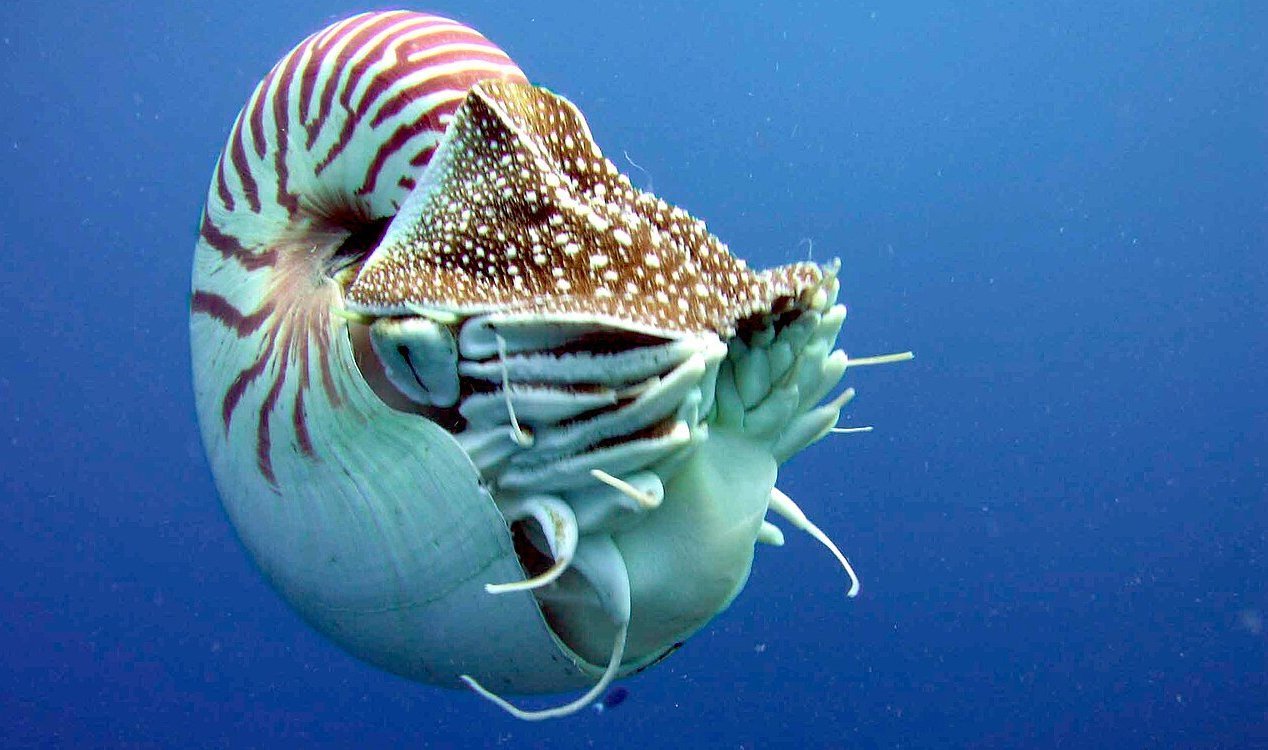
Instead of an octopus, the fossil has now been identified as a relative of the nautilus — a shelled marine animal known for having multiple tentacles. Scientists believe the confusion came from the condition of the specimen before it was preserved.
According to researchers, the creature had likely been decomposing for weeks before it became fossilized. This process altered its appearance in such a way that it closely resembled an octopus.
It wasn’t until modern technology allowed scientists to examine the internal structure hidden within the rock that the true identity became clear.
Dr. Thomas Clements from the University of Reading, who led the study, explained that what was once thought to be a groundbreaking octopus fossil turned out to be something entirely different — a decomposed nautiloid that had been misleading scientists for years.
This discovery not only corrects a long-standing misunderstanding but also provides new insight into when octopuses may have actually first appeared on Earth.
It also highlights an important lesson in science: even well-known discoveries can be reinterpreted as new tools and technologies emerge.
What was once considered a landmark fossil is now a reminder that the past can still surprise us — especially when we look at it in new ways.
About The Author