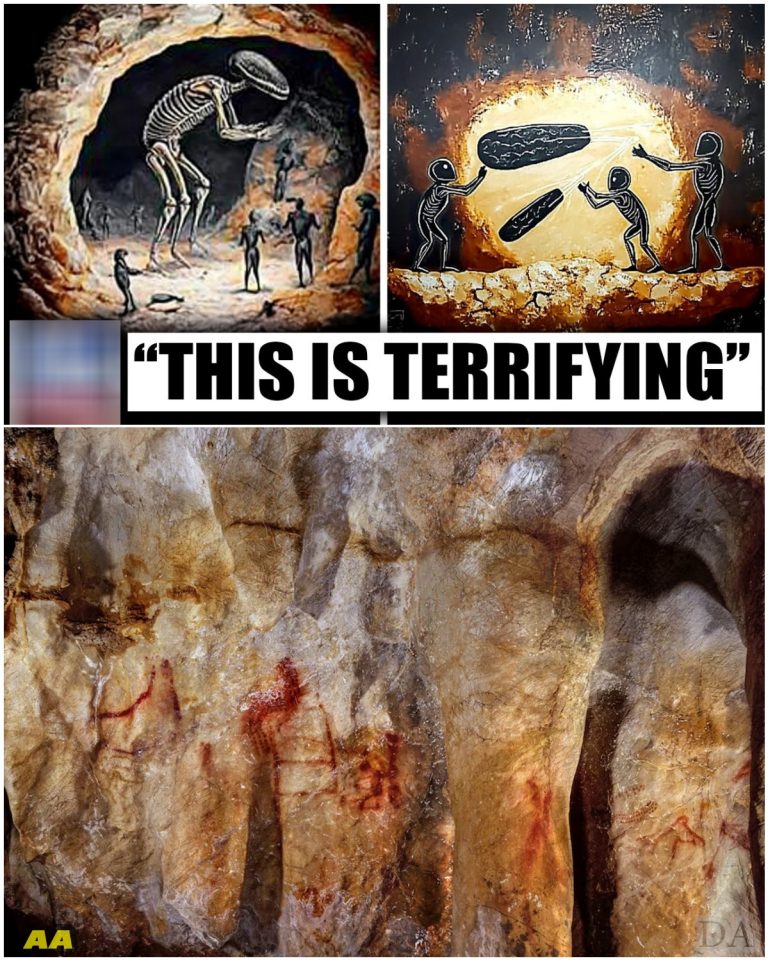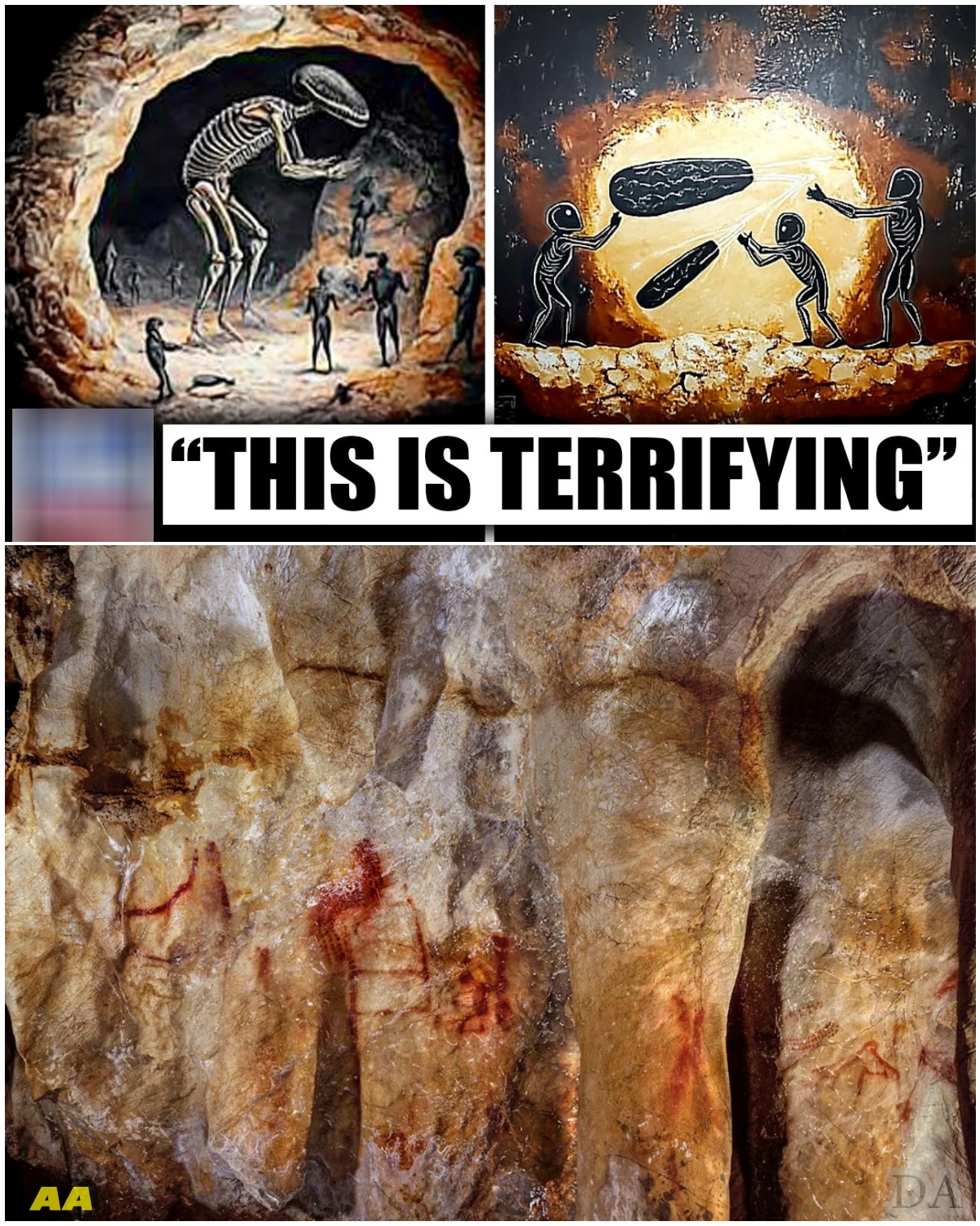
Archaeologists are investigating a controversial discovery that some researchers believe could dramatically change our understanding of early human evolution.
Deep inside a previously unexplored cave system, scientists uncovered strange markings etched into stone — including crude shapes, hand-like patterns, and symbolic carvings that appear far older than any known prehistoric artwork.
What has shocked researchers most is the estimated age of the site.
Initial dating analysis reportedly suggests the markings could be millions of years old, potentially predating modern humans by an enormous margin. If verified, the discovery would challenge the long-standing belief that symbolic thinking and artistic expression only emerged tens of thousands of years ago.
Some experts believe the carvings may have been created by extremely early human ancestors, possibly even species that existed long before Homo sapiens. Such a possibility has sparked intense debate within the scientific community.
Supporters of the discovery argue that it may point to advanced cognitive abilities developing much earlier than previously imagined. Others remain skeptical, warning that extraordinary claims require extraordinary evidence and that further testing will be essential before any conclusions can be reached.
Still, the find has already generated massive attention because of what it could mean for the history of intelligence and culture on Earth.
If the dating proves accurate, it would force researchers to reconsider when creativity, symbolism, and abstract thought first appeared among our ancient ancestors.
For now, scientists continue to analyze the cave and its markings, while the debate surrounding the discovery grows increasingly intense.
One thing is certain — if confirmed, this could become one of the most controversial archaeological discoveries in modern history.
About The Author